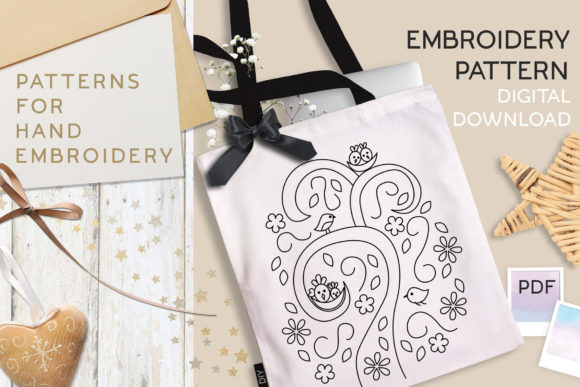
Embroidery Pattern Bird Nest
A Whimsical, Booth-Ready Design with Real Craft Fair Appeal
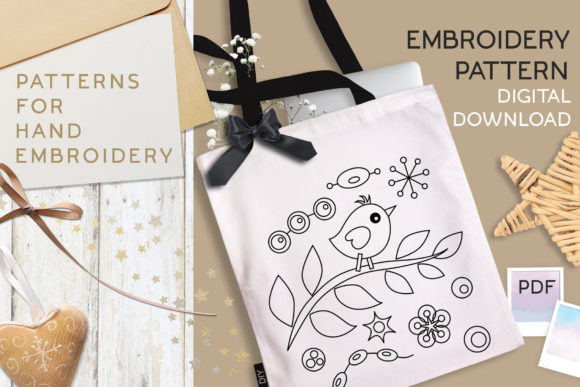
As an embroidery designer who’s packed, stitched, and sold at over 40 craft fairs—from Portland’s indie maker markets to Midwest farmhouse pop-ups—I’ve seen how quickly a design wins attention (or fades into the background). The Embroidery Pattern Bird Nest lands firmly in the “wins attention” category. At first glance, it reads as whimsical, gentle, and quietly nostalgic—not overly rustic, not aggressively modern, but warmly approachable. That’s gold for handmade markets where shoppers seek charm, story, and tactile authenticity. It doesn’t shout; it invites. And in a booth crowded with bold florals and geometric repeats, that soft narrative pull is a competitive advantage.
Where This Design Shines on Craft Fair Products
The “bird nest on a tree” motif scales beautifully across formats—making the Embroidery Pattern Bird Nest unusually versatile for a small shop product lineup:
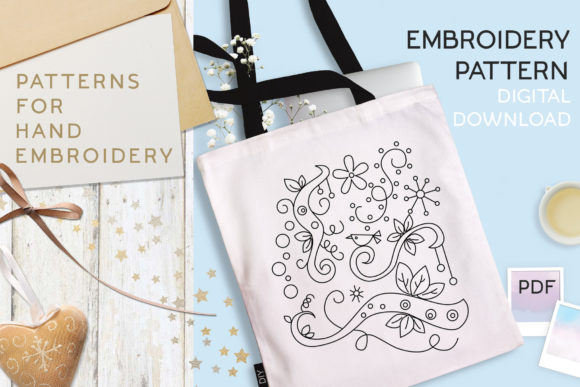
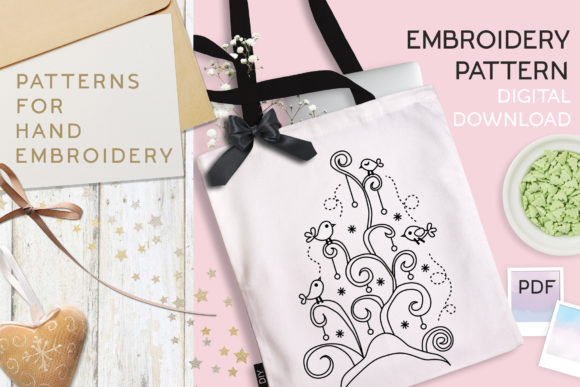
- Tote bag design: Centered on a natural canvas or oat linen tote, it becomes an instant conversation starter—especially when paired with subtle thread contrast (think sage green nest + cream linen). Customers love carrying something that feels both earthy and intentional.
- Apron embroidery: Positioned just below the pocket or along the waistband, it adds personality without overwhelming function. Works especially well on unbleached cotton or chambray—fabrics that highlight hand-stitched texture.
- Tea towel embroidery: A standout here. The organic shape complements kitchen linens’ utilitarian grace, and the nest motif subtly reinforces themes of home, care, and nesting—resonant for gift buyers and new homeowners alike.
- Embroidered patch: Trimmed and backed, this design holds up remarkably well as a sew-on or iron-on patch. Its moderate detail level ensures clarity even at 3–4 inches wide—ideal for denim jackets, market bags, or kids’ backpacks.
- Pillow cover & small pouch: As a focal motif on a 12" square pillow or 6" fabric pouch, it reads clearly from across the aisle. No tiny details get lost—and its asymmetrical balance keeps visual interest high without demanding precision stitching.
What Makes It Practical for Batch Production & Booth Readiness
From a production standpoint, the Embroidery Pattern Bird Nest is refreshingly straightforward. It avoids dense stitch areas, micro-lettering, or fine-line branches that vanish on textured towels or dark fabric. The tree silhouette offers clean negative space; the nest sits comfortably within a mid-size hoop—no awkward re-hooping required for most hand or machine setups. That means faster turnaround for your Etsy seller queue or pre-fair batch runs.
It photographs exceptionally well for digital listings: soft shadows, clear contours, and inherent warmth translate seamlessly to printable mockups and social media thumbnails. Unlike highly intricate motifs, this design retains legibility even at thumbnail size—critical for Etsy search results and Instagram carousels.
Careful-Use Notes Every Designer Should Check
While forgiving overall, don’t skip these real-world checks before committing to 50 tea towel embroideries or wholesale patch orders:
- Fabric texture matters: On heavily woven or terry cloth towels, simplify or slightly enlarge the nest outline to maintain definition. Test stitch on scrap first.
- Curved surfaces need adaptation: If applying to caps or curved pouches, confirm the design flows naturally across the curve—not stretched or pinched. A slight horizontal compression may help.
- Dark fabric demands contrast: On navy, charcoal, or black backgrounds, avoid light tan threads for the nest. Opt for cream, oat, or warm beige with visible sheen (like DMC Pearl Cotton #8) to preserve dimension.
- Small sizes require editing: Below 2.5 inches wide, branch tips and twig details soften. For embroidered patches under 3", consider simplifying outer foliage or using satin stitch for the nest base instead of French knots.
How It Elevates Your Handmade Product Story
The Embroidery Pattern Bird Nest does more than decorate—it deepens perceived value. Unlike generic florals or monograms, it carries quiet symbolism: renewal, shelter, care, seasonality. That resonates deeply with boutique makers building brand consistency around mindful making or nature-connected living. On your booth display, one perfectly stitched pillow cover with this motif draws slower stops, longer engagement, and higher attachment—because it feels personal, not mass-produced.
For Etsy sellers, it supports strong SEO alignment: “whimsical embroidery pattern,” “nest embroidery,” “handmade tea towel design,” and “bird embroidery for tote bags” all fit naturally into titles and tags. As a Graphics asset in the Hand Embroidery Patterns category, it bridges digital and physical—ideal for creatives offering both printable patterns and finished goods.
Pro Designer Prep Checklist Before You Stitch
Before cutting your first fabric piece or uploading to your embroidery machine, run through this list:
- Test the Embroidery Pattern Bird Nest on scrap fabric matching your final product’s weight and weave.
- Verify thread colors against your chosen fabric—natural light is best for judging contrast.
- Review spacing between nest and tree limbs: ensure no floating elements or awkward gaps.
- Confirm hoop size compatibility—especially if adapting for commercial embroidery or Cricut-based stitching.
- Inspect stitch density: avoid overloading delicate fabrics like silk or lightweight linen.
- Select stabilizer based on fabric type—cutaway for stretchy knits, tear-away for stable wovens.
- Create at least one real mockup (not just digital): photograph it in situ—on a tote, draped over a stool, pinned to a sample board.
- Compare how it looks across three fabric colors (light, medium, dark) to guide your product palette.
- Confirm commercial licensing terms—if selling finished products, ensure your use of the digital embroidery file permits resale of the finished product.
When done right, the Embroidery Pattern Bird Nest isn’t just another design—it’s a quiet anchor for your craft fair table, a signature touch for your small shop product line, and a repeatable favorite for customers who return year after year for that same feeling of warmth, whimsy, and handmade care.